Last update: June 2026
This post primarily focuses on the town of Shimoda on the Izu Peninsula. More directly, its purpose is to provide some basic background information for those planning to hire a tour guide to explore Shimoda and the surrounding southern Izu region. However, it also aims to be a useful article for anyone simply interested in Japanese history, especially those interested in the turbulent Bakumatsu period, which began with the arrival of the “Black Ships” in 1853.
Table of Contents
Overview of Shimoda
Shimoda is a port town located at the southeastern tip of the Izu Peninsula in Shizuoka Prefecture (Chubu Region) and is a hot spring city that forms the center of tourism and economy in southern Izu. As of 2026, the population of Shimoda City is approximately 17,000. The Inouzawa River flows through the center of the city and empties into Sagami Bay, with Shimoda Port located near its mouth. The city center is formed around the port. Blessed with a natural harbor, Shimoda flourished from the early Edo period onward as a key point for maritime traffic connecting Edo (Tokyo) and the Kansai region.
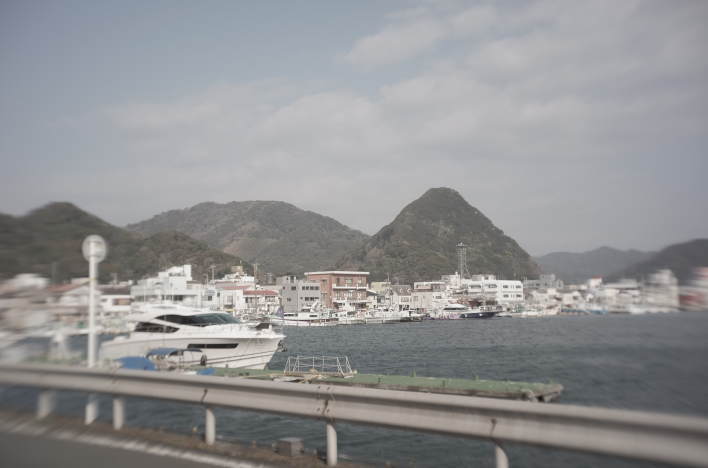
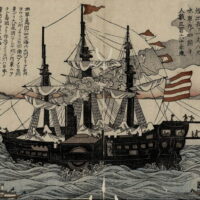
Shimoda became widely known because, for several years starting in 1854 when Commodore Perry arrived there with his “Black Ships,” it became the main stage for negotiations between Japan and the United States. Until then, Shimoda had been merely a quiet port town on the Izu Peninsula, but during the late Edo period, it suddenly came into the spotlight and became a new window to the outside world for Japan. As a result, traffic on the roads leading to Shimoda increased. Because of this history, even today, Shimoda has many historical sites related to the opening of Japan to the world during the late Edo period and the history of negotiations between Japan and the United States.
The eve of opening the country
From 1639 onward, Japan severely restricted its interactions with foreign countries. Only the Netherlands and China were permitted to trade with Japan at Dejima off Nagasaki. Consequently, information from abroad was extremely scarce. Furthermore, Japanese citizens were prohibited from traveling overseas, and violators faced the death penalty. H.G. Wells, in his “A Short History of the World,” describes the situation in Japan at that time as follows: “For two centuries Japan remained outside the main current of history. She lived on in a state of picturesque feudalism. . .”
Meanwhile, Western nations, having accumulated industrial productivity and military power through the Industrial Revolution that began in the late 18th century, were beginning to expand into various parts of Asia in search of raw material supplies and market expansion. Finally, on July 8, 1853 (June 3 in the lunar calendar), four warships (“black ships”) led by Commodore Matthew C. Perry, United States Navy Commander, appeared off the coast of Uraga. Perry carried a letter from President Fillmore and demanded that Japan open its doors to the world. The Tokugawa Shogunate postponed its response until the following year, so Perry left Japan for the time being.
On February 13th of the following year (January 16th in the lunar calendar), Perry returned to Japan with three steamships and four sailing ships. Negotiations dragged on due to the shogunate’s evasive responses, but finally, on March 31st (March 3rd), the Japan-US Treaty of Peace and Amity (also known as the Kanagawa Treaty), consisting of 12 articles, was signed in Yokohama. It is said that the reason the shogunate could not refuse the treaty was the difference in military power between Japan and the United States. One of the articles of this treaty stipulated the opening of the ports of Shimoda and Hakodate. (However, at this point, a trade treaty had not yet been concluded.) It was through this process that Commodore Perry first came to Shimoda.
Commodore Perry arrives in Shimoda
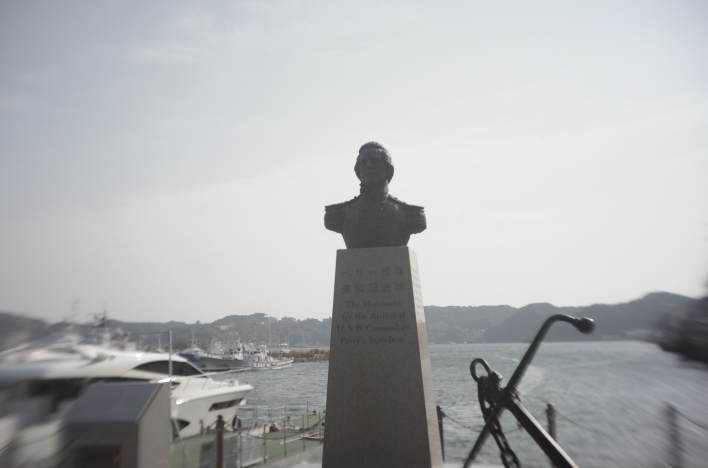
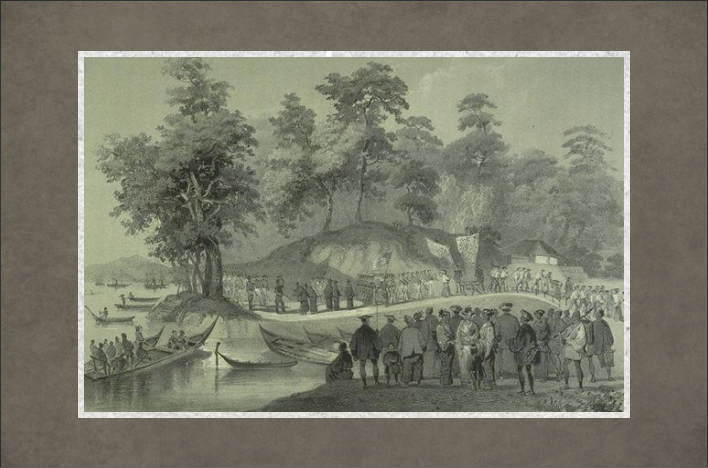
It is said that the crew of the “Black Ships,” upon entering Shimoda harbor, cheered at the beauty of Shimoda Bay, where mountains adorned with fresh greenery stretched all the way to the coast. Perry himself was also pleased with the port’s convenient layout for ships entering and leaving the harbor. The exact spot where Perry and his crew landed is now a small park with a monument. A bust of Perry sits on the pedestal, accompanied by an anchor donated by the U.S. Navy. Standing in front of the monument offers a panoramic view of Shimoda harbor, making it a popular spot for tourists to take photos.
Incidentally, to be precise, after the Kanagawa Treaty was signed in Yokohama, Perry visited Shimoda twice. His first stay was from mid-April to May 13th (April 17th in the lunar calendar), and his main purpose at that time was to survey Shimoda Port. (The incident involving Yoshida Shoin, which will be discussed later, occurred during this first stay in Shimoda.) The fleet then headed to Hakodate, surveyed and measured Hakodate Port, and then landed in Shimoda again on June 8th (May 13th).
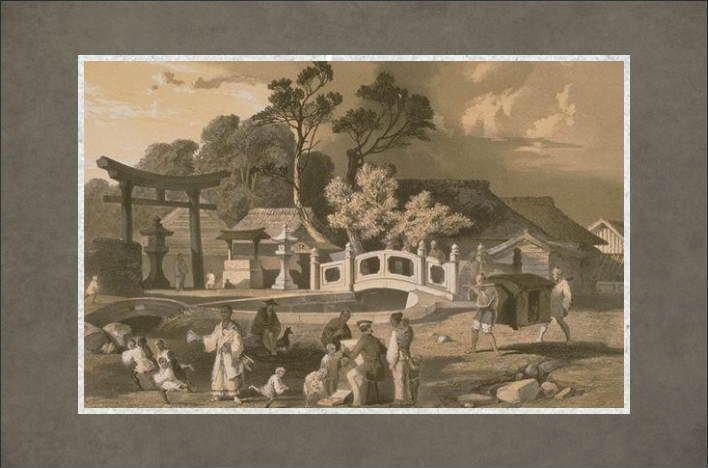
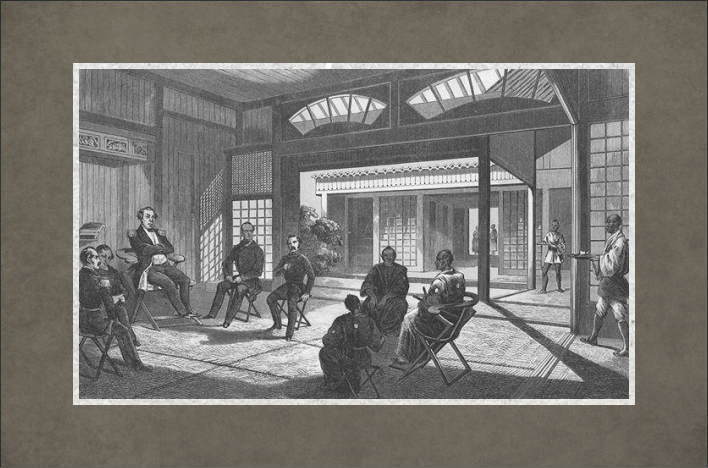
The main purpose of Perry’s second visit to Shimoda was to discuss the finer points that had not been included in the Treaty of Kanagawa. The negotiations took place at Ryosenji Buddhist Temple, located about 500 meters west of Shimoda Port. Hayashi “Daigaku-no Kami” Fukusai, a Neo-Confucian scholar who served as the chief negotiator for the Tokugawa shogunate, had also traveled from Edo over the Amagi Pass to Shimoda for this occasion. The Shimoda Treaty (more accurately, the “Additional Regulations of the Kanagawa Treaty”), consisting of 13 articles, was concluded at Ryosenji on June 20th (May 25th). This is why the bust of Perry mentioned above faces Ryosenji Temple.
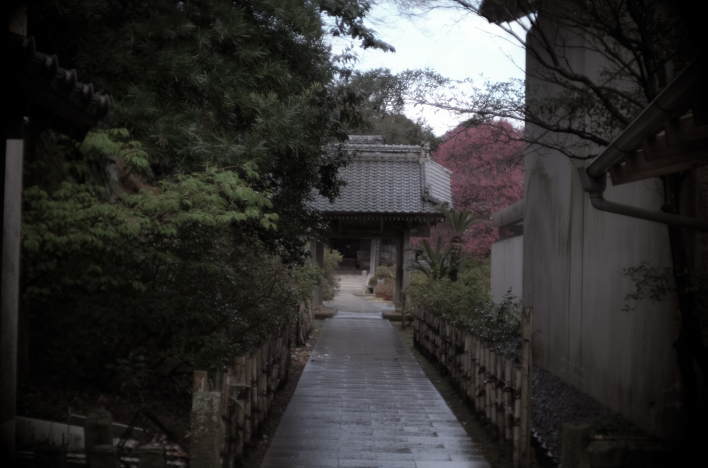
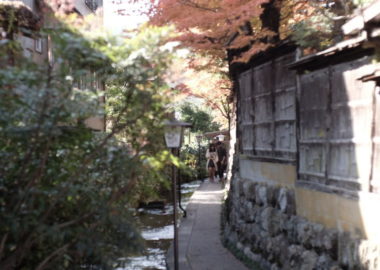
The approximately 500-meter-long path from Shimoda Port to Ryosenji Temple, walked by Commodore Perry and his officers, is now known as Perry Road and is a representative tourist spot in Shimoda. This willow-lined path along the Hiraname River, with its cobblestones and gas lamps, creates a charming atmosphere, allowing visitors to imagine the bustling past when the town of Shimoda opened its doors to the world. Galleries, restaurants, and general stores housed in old buildings line the street, making it an essential spot for exploring Shimoda. This alley is also frequently used as a filming location for television programs and commercials.
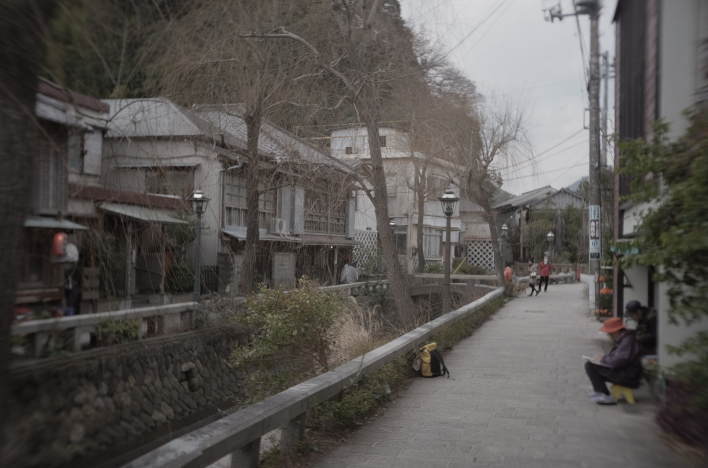
Perry Road, with its charming scenery, is often compared to the old townscape of Kurashiki City (Okayama Prefecture) and is sometimes described as a “mini-Kurashiki.” Originally, this area was a hanamachi district during the Edo period. Hanamachi (literally “flower town”) was a former entertainment district where restaurants and brothels lined the streets, geishas strolled about, and the sound of shamisen music echoed throughout the area. Shimoda has long been a port town with many ships coming and going, so such a district naturally formed.
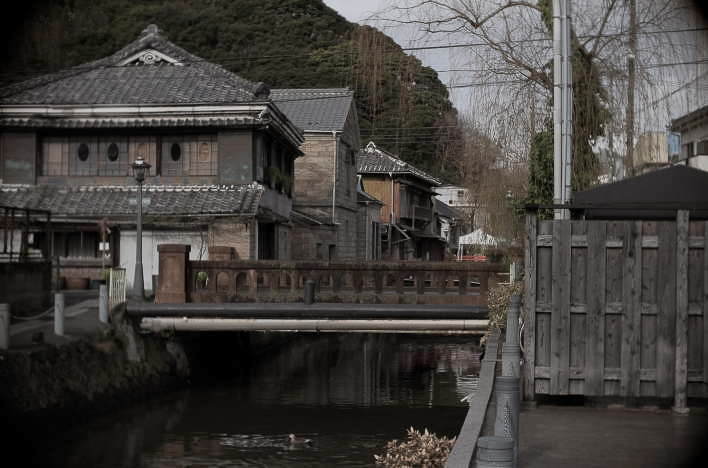
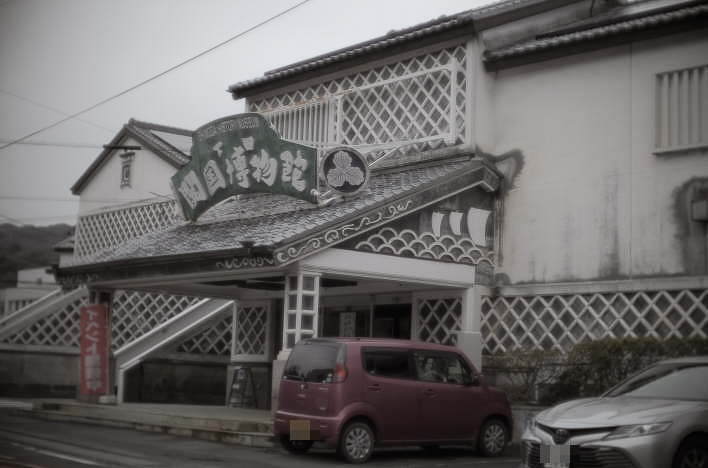
Furthermore, if you look at the buildings lining Perry Road, you can see the traditional style of the region in old houses with namako-kabe walls (sea cucumber-shaped plaster walls) and bridges and buildings made of Izu-ishi stone. Namako-kabe is one of Japan’s traditional earthen wall construction methods, and it is excellent in waterproofing and fire resistance. Flat tiles are laid on the wall surface, and plaster is applied to the joints of the tiles to finish it. The name comes from the fact that the raised plaster resembles a sea cucumber (namako). Izu-ishi is a general term for volcanic rock-derived stone produced in the Izu Peninsula and surrounding areas, and it has been valued as a building and civil engineering material since ancient times.
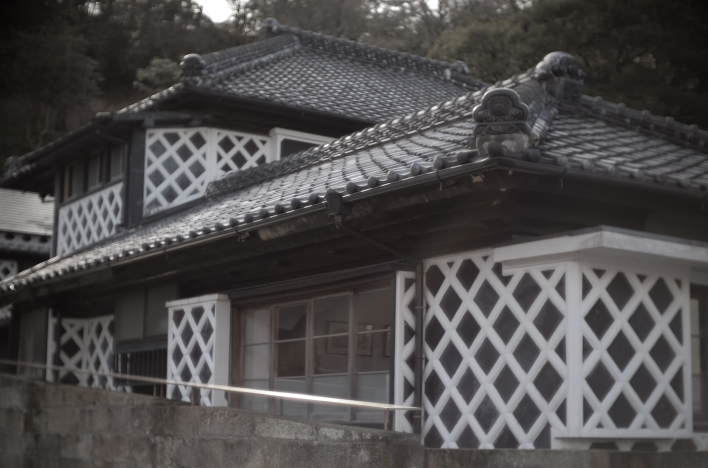
One of the highlights of Perry Road is the Old Sawamura House, where you can see two distinctive architectural elements of Shimoda: namako-kabe walls and Izu-ishi stone. This building was constructed in 1915 as the residence of Kyuemon Sawamura, the founder of the local shipyard affectionately known as “Shimoda Dock” and who also served as the former mayor of Shimoda town before the war. In 1985, it was designated a “Historical Building of Shimoda City” as a building that symbolizes the history and culture of Shimoda.
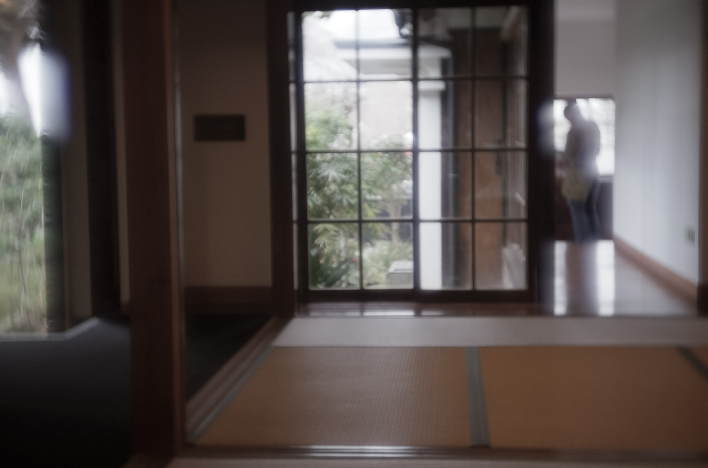
After being donated to Shimoda City by Kiichiro Sawamura in 2008, the Sawamura house has been open to the public since April 2012 as a place where visitors to Perry Road can rest. The main house, with its distinctive namako-kabe plasterwork, is a two-story wooden structure, and Izu stone is used in the foundation of the house. The first floor is free to enter and tour. The adjacent kura (storehouse) is currently used as a gallery, and the interior walls of this gallery are made of exposed Izu-ishi stone, allowing visitors to enjoy the colors and textures of the stone while viewing the exhibited artwork.
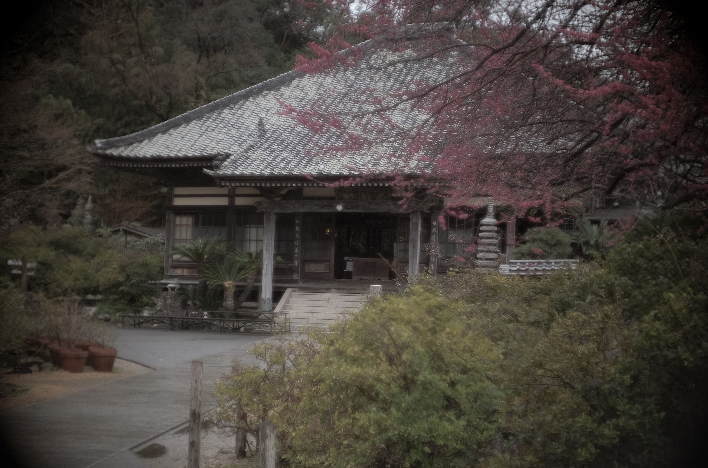
Ryosenji Temple, located at the western edge of Perry Road, is, as mentioned above, the site where negotiations took place between Perry and Daigaku-no-kami. This temple, a Nichiren Buddhist temple founded in 1635, is now designated as a national historical site. The main hall of the temple, which served as the main venue for the meeting, is a hip-and-gable roofed building with tiled roofing, and it still retains the atmosphere of that time.
The additional clauses (of the Kanagawa Treaty) newly concluded at Ryosenji included the right of Americans to freely stroll within a certain restricted area (within a radius of approximately 28 km) in Shimoda. This was a groundbreaking provision in Japan at the time, and as a result, Shimoda became a town where Americans roamed freely, and active cross-cultural exchanges occurred between the fleet crew and the residents of Shimoda.
Similarly, this additional treaty stipulated that Ryosenji, along with Gyokusenji, would become a resting place for Americans, and that a cemetery for Americans would be located at Gyokusenji. Furthermore, during the 10-day negotiations, a concert by the Perry fleet’s band was held at Ryosenji, and ordinary townspeople of Shimoda were allowed to watch. It is said that the grounds and surrounding area of Ryosenji were filled with people on that day. This is considered to be the first publicly held concert of Western music in Japan.
Incidentally, Kurofune Matsuri (literally, the “Black Ship Festival”), held every year in mid-May, is Shimoda City’s biggest event. During the festival, parades, ceremonies, and fireworks displays are held to commemorate the arrival of Perry and his Black Ships. At Ryosenji Temple, a play reenacting the treaty signing ceremony is performed. Furthermore, Ryosenji Temple is home to 1,000 Brunfelsia australis plants (commonly known as “American jasmine” in Japan). The Black Ship Festival coincides with the flowering season of the plant, and the temple is enveloped in the refreshing scent of flowers. For this reason, Ryosenji Temple is also known as “Jasmine Temple.”
Among the historical sites around Perry Road, Chorakuji Temple is just as important as Ryosenji Temple. This is a Shingon Buddhist temple founded in 1557. After signing the Treaty of Kanagawa with the United States, Japan successively signed similar treaties with Great Britain, Russia, and the Netherlands. On December 3, 1854 (November 4 in the lunar calendar), the same year that Perry arrived in Shimoda, the Russian frigate Diana also arrived in Shimoda, and in February, the “Treaty of Commerce and Navigation between Japan and Russia” was signed. Chorakuji Temple was the setting for this. The Russian representative at that time was Vice Admiral Yevfimiy Vasilyevich Putyatin (Euphimius Putiatin).
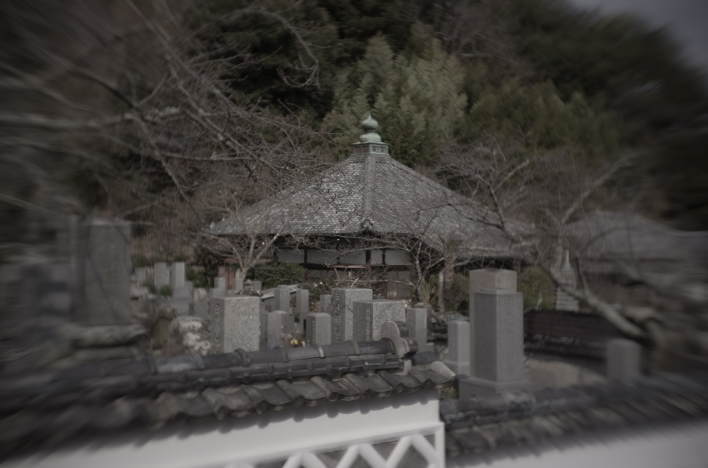
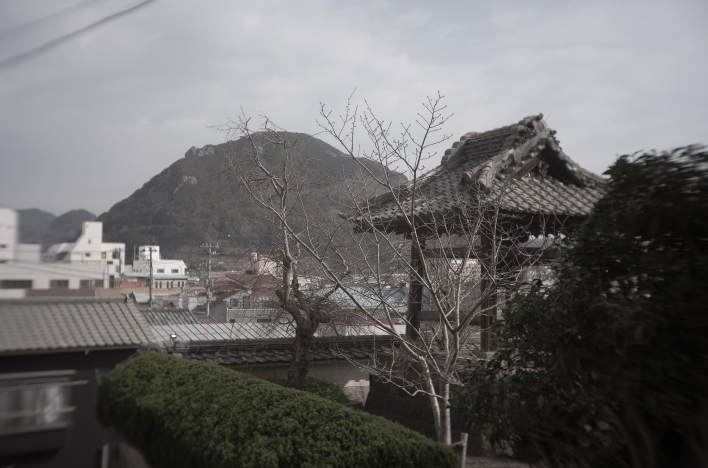
It is well known that this treaty determined the border between Japan and Russia. Specifically, it stipulated that the area south of Etorofu Island belonged to Japan, the area north of Urup Island belonged to Russia, and Sakhalin was a joint settlement area for both countries. This temple was also the location where the ratification documents for the Treaty of Kanagawa were exchanged in 1855. From Chorakuji Temple, one can see the port and townscape of Shimoda. The temple grounds also house a treasure hall displaying items related to the historical treaties and relics of Yoshida Shoin.
Incidentally, Putyatin and his party suffered great misfortune during their stay in Shimoda. On December 23 (November 4), shortly after negotiations began, the “1854 Tokai Earthquake” struck. The town of Shimoda was devastated by a tsunami, and the Diana was severely damaged and rendered unnavigable, sinking en route to Heda Village in West Izu. In January, treaty negotiations resumed in Shimoda, and a replacement ship capable of carrying 60 people was built with the cooperation of the residents of Heda Village. However, during their stay in Izu, three of the Diana’s crew members lost their lives due to the earthquake and illness.
In this way, Shimoda became a “gateway to foreign countries.” At the time, Shimoda’s customs were introduced to foreign countries as “Japanese customs.” For this reason, it is said that Shimoda was a very famous town in Europe and America during the late Edo period (and only during that period).
Yoshida Shoin’s Hideaway
Shimoda is also a town with deep ties to Yoshida Shoin. Shoin was born in 1830 as the second son of a samurai in the Choshu Domain (present-day Yamaguchi Prefecture), studied military science, and later became a disciple of Sakuma Shozan. The era was marked by the outbreak of the Opium War in 1840, in which neighboring China suffered a crushing defeat at the hands of Britain. Many Japanese intellectuals realized the strength of the Western powers, backed by science and technology, and at the same time, developed a strong sense of crisis that Japan might be colonized in the future. As Shoin grew older, he began to question conventional military science, and in order to understand the current state of Japan (especially the reality of coastal defense), he traveled throughout the country, from Tohoku in the north to Kyushu in the south, meeting with local scholars and seeking answers to these questions.
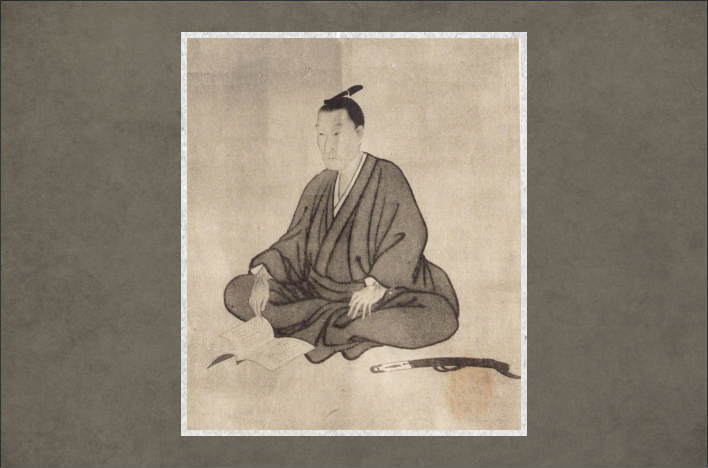
Ideologically, Yoshida Shoin can be categorized as a Son’no Joi advocate. Son’no means “to revere the emperor,” and Joi literally means “to expel barbarians.” However, among the Joi advocates of the time, there were those who simplistically thought, “We just need to kill and drive out the foreigners,” while others, like Katsu Kaishu and Sakuma Shozan, believed that “in order for Japan to maintain its independence, it must first open up the country, learn from the Western powers, and modernize the nation.” Ultimately, Shoin leaned towards the latter.
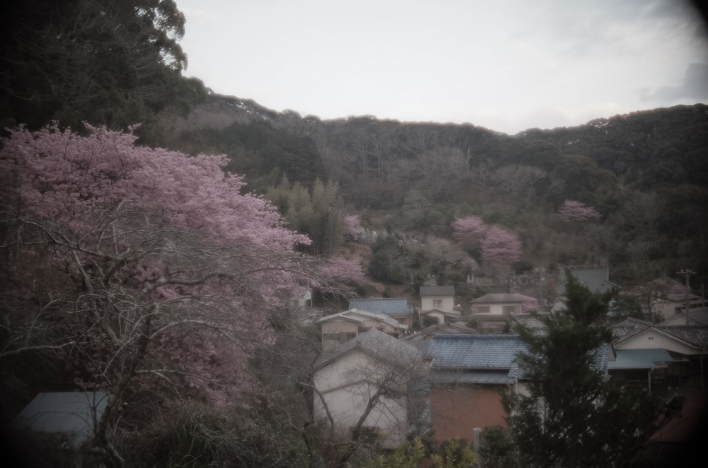
When Commodore Perry’s squadron arrived in 1953, Shoin was studying rangaku (Western learning) and artillery in Edo. He felt a strong sense of crisis at the arrival of the fleet with its immense military power and began to think about actually inspecting Western countries. (However, as mentioned above, it was forbidden for Japanese people to travel abroad at that time, so the only way to travel overseas was to stow away illegally. And if caught, one had to be prepared for the death penalty.) The following year, Perry’s squadron entered Uraga again, and after concluding the Kanagawa Treaty, they headed to Shimoda in accordance with the treaty. Shoin, accompanied by his comrade Kaneko Shigenosuke, followed them, arriving in Shimoda in mid-April, where they waited for an opportunity to stow away overseas.
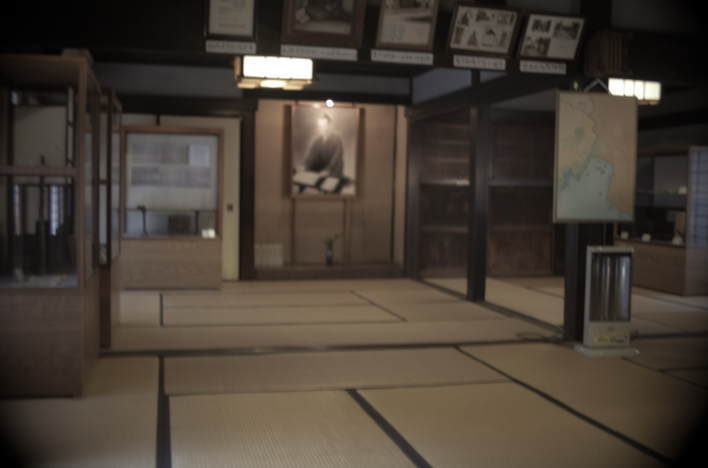
Upon arriving in Shimoda, Shoin initially stayed at an inn in the town center but soon developed a severe skin disease (scabies). To treat it, he went to a hot spring resort in the mountains called Rendaiji (then known as “Rendaiji Village”), a few kilometers north of Shimoda’s downtown area. This is a historic hot spring resort said to have been discovered about 1300 years ago by the high-ranking monk Gyoki. The place name Rendaiji originally referred to a temple founded by Gyoki himself, which is said to have been located in this area until around 1220. However, its exact location has not been identified, and it now only remains as a place name.
The Rendaiji hot spring area is situated amidst the simple tranquil surroundings along the Rendaiji River. Even today, hot spring water overflows from its source and flows down in various places throughout the town, and traditional Japanese inns are scattered around, making it a hidden gem of Shimoda. The “Sen’nin-buro” (Thousand-Person Bath) at Kanaya Ryokan is particularly famous. This large bath, made entirely of cypress wood, is mixed-gender, but bathers are allowed to enter while wrapped in a bath towel. Kanaya Ryokan also has a large women’s-only bath called “Manyo-no-yu.” Although the entire town of Shimoda is usually called “Shimoda Onsen (Shimoda hot spring),” in reality, many of the hot spring inns and hotels scattered throughout the city draw their water from the Rendaiji hot spring area.
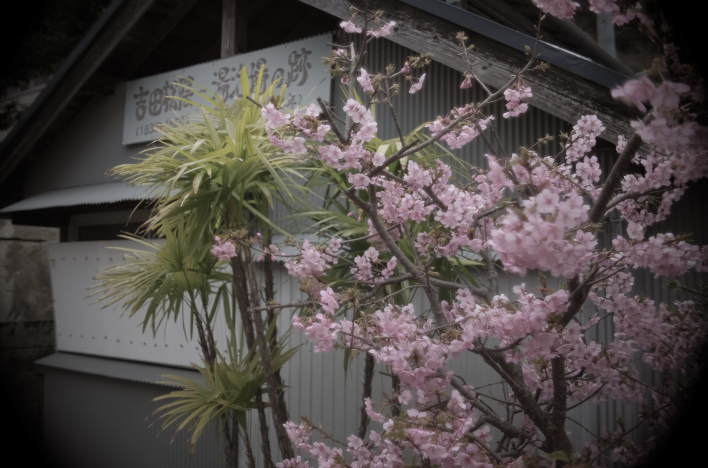
While visiting the hot spring facility of Rendaiji (more precisely, the public bath “Kami no Yu”) for medical treatment, Shoin happened to meet the village doctor, Murayama Gyomaro, and ended up staying at his house. It was in this house that Yoshida Shoin secretly lived in hiding, waiting for an opportunity to stow away to America. Today, this residence is known as Yoshida Shoin Gukisho (meaning the “place where Yoshida Shoin stopped by”), or commonly known as “Yoshida Shoin’s hideout.”
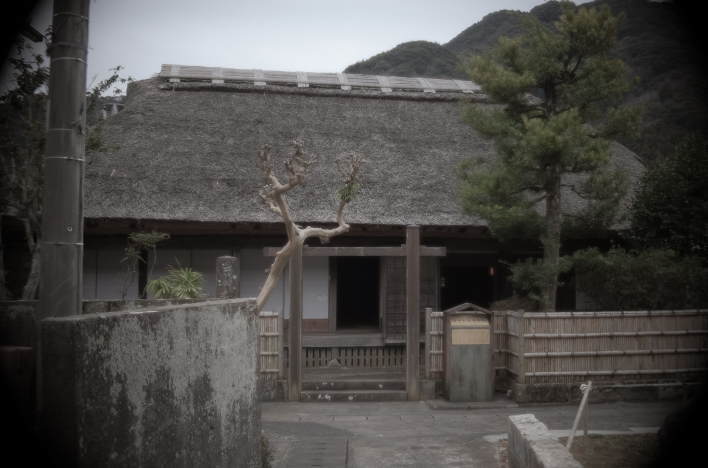
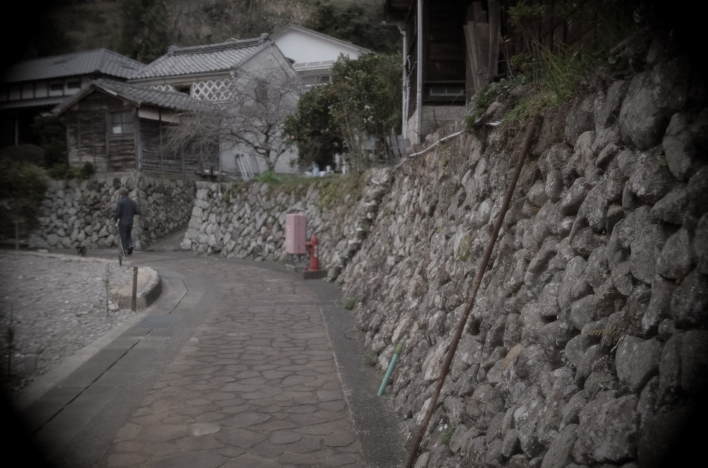
The house is a thatched-roof residence nestled within an elegant bamboo fence. It is well-preserved and is currently designated as a prefectural cultural property. While it appears to be a single-story building from the front, a section of it is actually two stories high when viewed from the back. Incidentally, this house is located along a 640-meter-long path called “Yunohana Komichi” (Hot Spring Flower Path). This path presents a nostalgic landscape with cobblestone streets, stone walls, and old tiled-roof houses. In spring, many weeping peach trees bloom along the path.
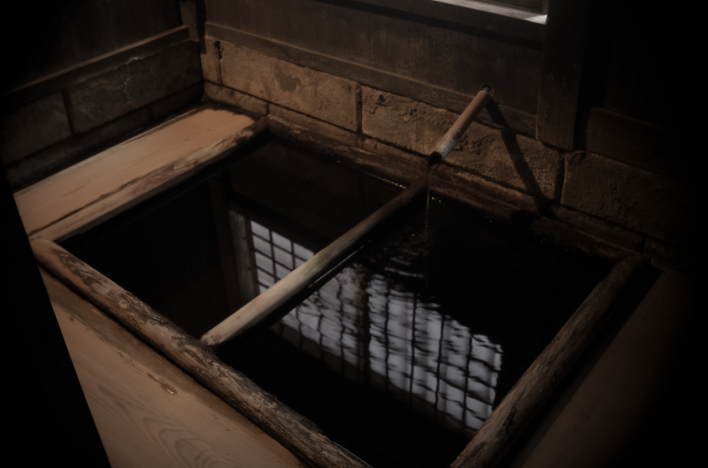
Shoin’s stay in this house was only a few days in total, but it must have been a tense period for him. The low-ceilinged “hidden room” on the second floor, which Shoin used as his living quarters, and the steep staircase leading to it, appear to be completely unchanged from Shoin’s time. Shoin’s desk, inkstone, and tableware are also still there. Surprisingly, the bathtub in the indoor bath where Shoin bathed is also still intact. At that time, this indoor bath was a sulfur spring. (Please note that, as of June 2026, Yoshida Shoin Gukisho is closed on Tuesdays, Wednesdays, and Thursdays.)
Meanwhile, more American ships continued to enter the port, bringing the total to six. Shoin and Kaneko went to the shore every day to inspect the fleet. Then, on April 24th (March 27th in the lunar calendar), after soaking in the hot spring at Rendaiji, Shoin arrived at Bentenjima Island at 8 p.m. The two decided to sleep in a small nearby shrine while waiting for the tide to come in. Then, at 2 a.m. they set out in a fishing boat that was floating nearby. However, the boat did not have a oarpost, so Shoin tied the oar to both sides of the boat with his loincloth, and the boat proceeded by repeatedly making detours.
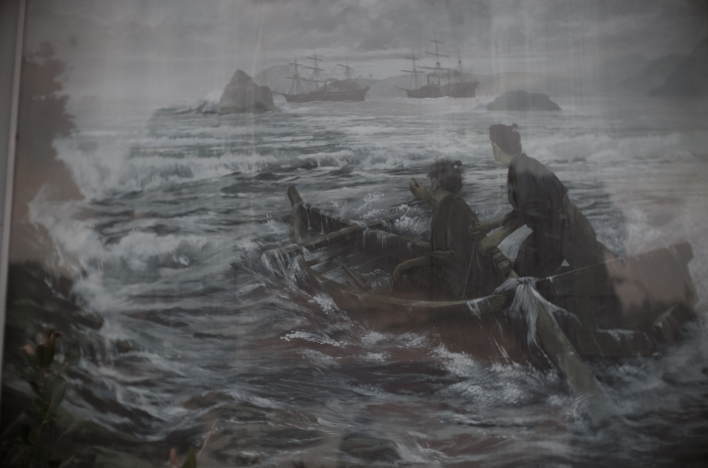
The Bentenjima Island from which the two men rowed their boat is located in the Kakizaki district of Shimoda City, about 1.5 km from the city center. Although it is called an “island,” it is now connected to the mainland and juts out into Shimoda Bay. Looking at a drawing of Bentenjima Island by Wilhelm Heine, the painter who accompanied Commodore Perry on his expedition to Japan, it is clear that the island’s appearance has remained almost unchanged. The small shrine where the two men took a nap is officially called Shimoda Ryujingu Shrine, and it still stands on Bentenjima Island. The shrine building has been rebuilt at some point, so it is not the same building as in Shoin’s time, but it retains much of the atmosphere of that era.
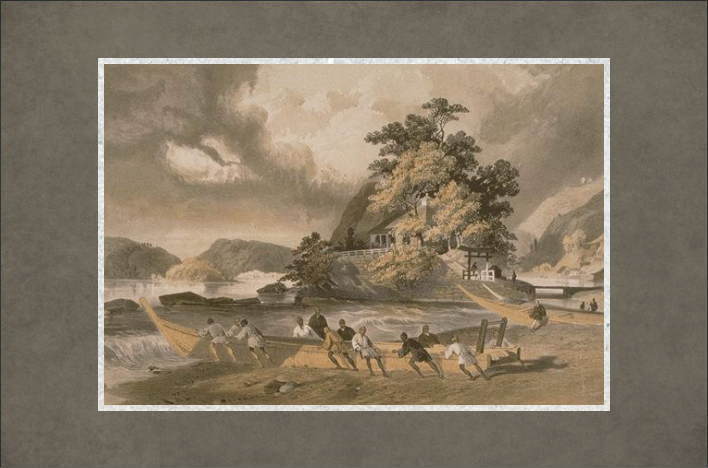
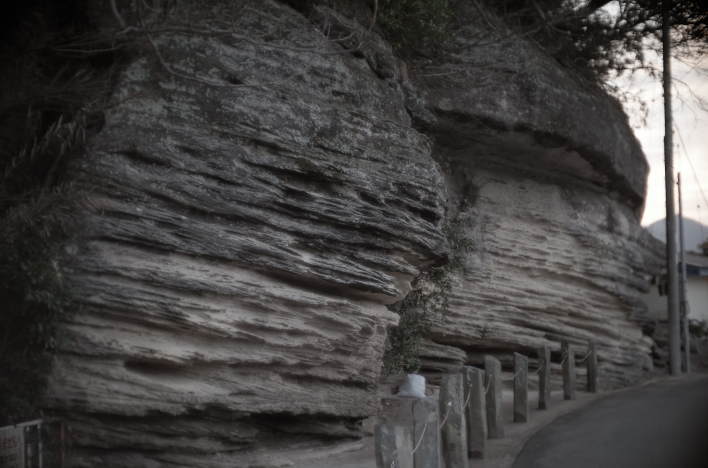
Incidentally, Bentenjima Island is a geologically interesting rock formation. The island’s surface is covered with exposed striped strata, which were originally formed by volcanic ash and pumice ejected from an underwater volcano, carried by waves and ocean currents. These strata were uplifted by crustal movements and exposed to the surface, and then eroded by waves to form Bentenjima Island. The fact that the island was originally formed underwater can be seen from the shell fossils found in the strata. What’s even more amazing is that the direction of the ocean currents and the water depth at that time can be estimated from the striped patterns that intersect the strata at an angle.
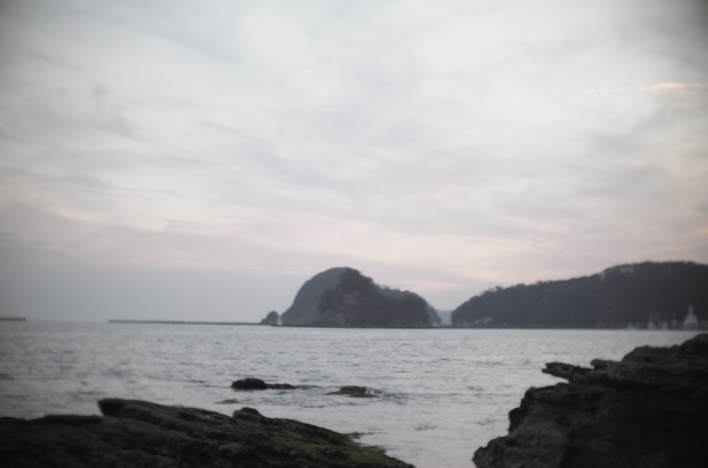
Standing at the spot where Shoin and Kaneko are thought to have rowed their small boat, the waves still roll in, just as 23-year-old Shoin saw. The rocky shore also appears to have not changed much since Shoin’s time. Only the city lights and the large concrete breakwaters jutting out into Shimoda Bay tell us that it is now the 21st century. Shimoda Port has long been used as a place of refuge during storms, but in 1951 it was officially designated as a refuge port, and the construction of breakwaters and other structures progressed. These breakwaters are necessary not only to protect vessels, but also to protect the residents of Shimoda from tsunami.
Finally, Shoin and Kaneko managed to reach the USS Powhatan, Perry’s flagship. Shoin told Samuel Wells Williams, the interpreter who had been sent to confer with them, that their object was to be taken to the United States, but Williams conveyed the Commodore’s words: “I regret that I am unable to receive them, as I would like very much to take some Japanese to America with me.” The two men were “greatly disturbed by this answer of the Commodore, and declaring that if they returned to the land, they would lose their heads, earnestly implored to be allowed to remain,” but in the end their request was not granted.
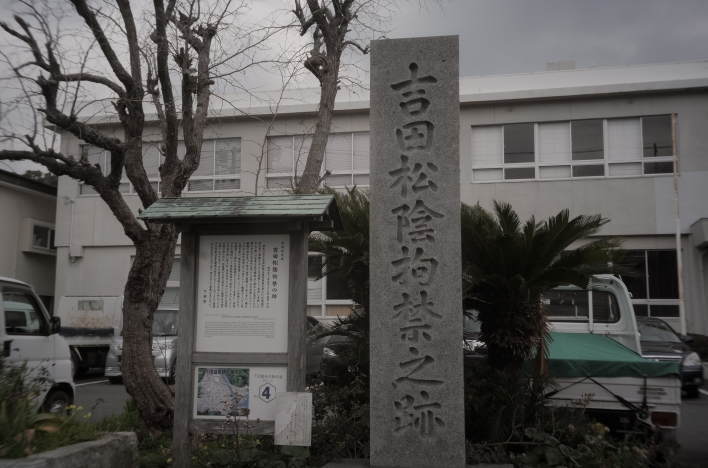
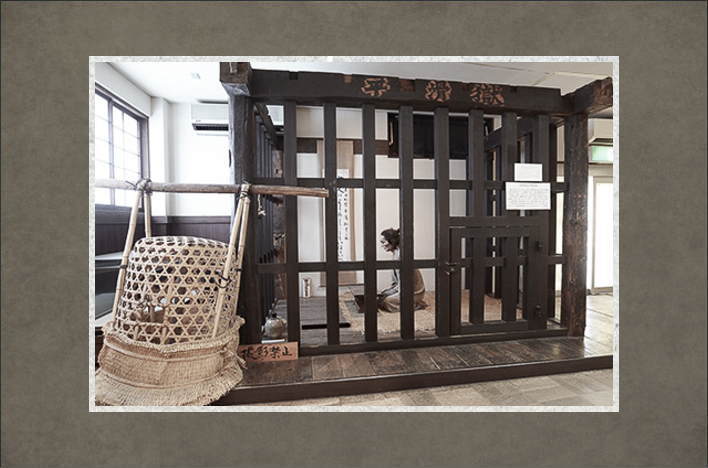
Having failed in their attempt to stow away, Shoin and his companion, knowing their plot would be discovered, surrendered to the village headman that same day. They were initially detained at a temple called Chomeiji before being transferred to a prison called Hiraname Prison. The site of this prison is now part of the parking lot of the Shimoda History Museum. Incidentally, when Perry learned that the two Japanese were being held in Shimoda, “he sent his flag lieutenant on shore to ascertain unofficially whether they were the same who had visited the ship.” However, by then the two had already been transferred to a prison in Edo that morning, and the cage was empty.
Ultimately, Shoin was transferred from Edo to Noyama Prison in Hagi, Choshu Domain (Kaneko was transferred to Iwakura Prison). Since Shoin and Kaneko had attempted to travel abroad, they should have been sentenced to death. However, Abe Masahiro, the chief senior councilor (roju) of the Tokugawa shogunate, spared their lives. It seems that Perry also played a role in mitigating their sentences. Eventually, Shoin, now under house arrest, gathered his disciples in a nearby hut (where his uncle had once run a private school) and began to teach military science and the ideals of Son’no. This is what is known as the Shoka Sonjuku Academy, from which many prominent figures who paved the way for the overthrow of the shogunate and the Meiji Restoration emerged.
Townsend Harris
Approximately two years after Commodore Perry left Shimoda, on August 21, 1856 (July 21 in the lunar calendar), Townsend Harris arrived in Shimoda aboard the USS San Jacinto. Based on the Treaty of Kanagawa that had been concluded earlier, he was appointed to Shimoda as the first American Consul General in Japan. He opened the first American Consulate at Gyokusenji Buddhist Temple in the Kakizaki district. Coincidentally, this temple is located very close to Bentenjima Island, which was mentioned above.
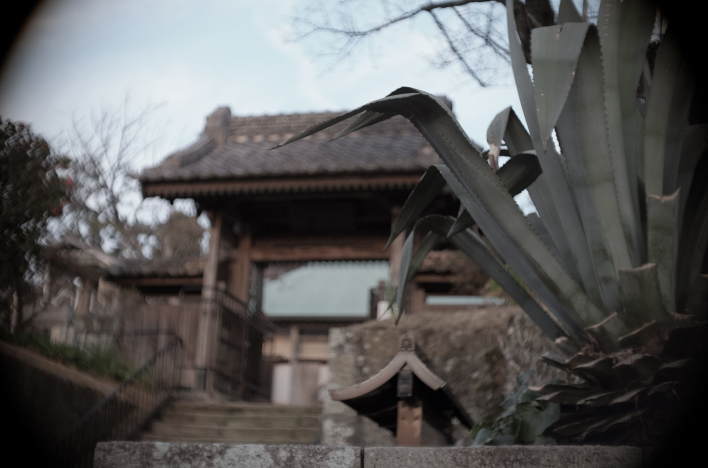
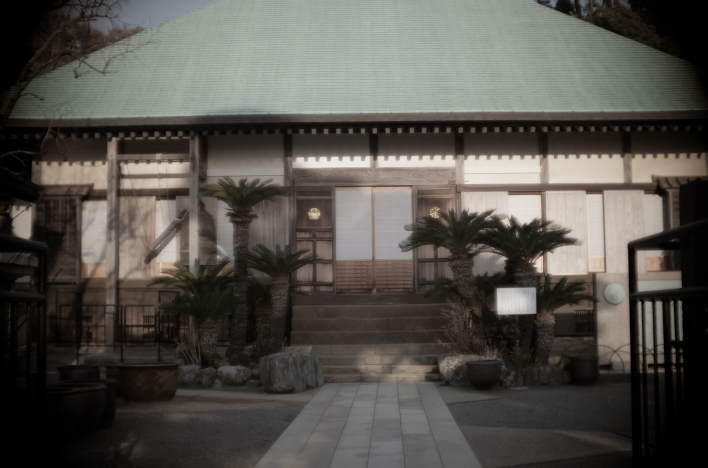
Gyokusenji Temple was formerly a small Shingon Buddhist temple, but became a Soto Zen temple at the end of the Muromachi period. After climbing about 10 steep stone steps, you reach the temple gate, and the main hall in front is a sturdy building with a hipped roof. Harris raised the American flag in the temple’s front yard, which was the first American flag ever flown on Japanese soil. Harris and his interpreter, Henry Heusken, lived in the main hall for nearly three years, engaging in persistent negotiations with the Tokugawa shogunate. Harris’s main tasks were to personally deliver the president’s letter to the shogun in Edo and to conclude a formal trade treaty with Japan.
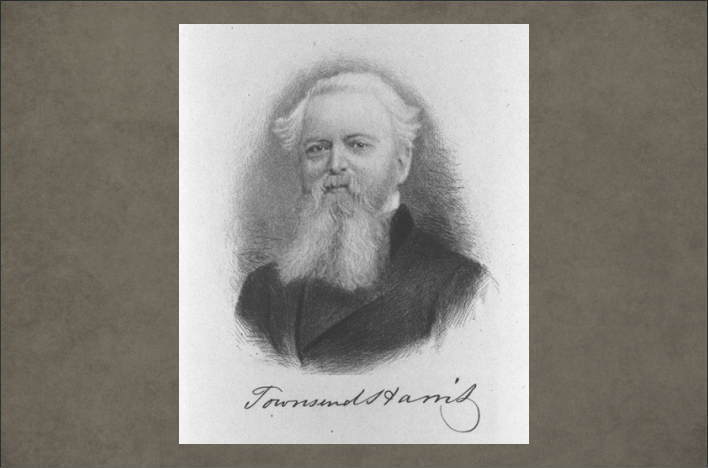
However, initially, the Tokugawa shogunate refused Harris’s request for an audience with the shogun and also did not allow him to reside in Edo. It is said that the shogunate and the Shimoda Magistrate at the time had no intention of further advancing the Treaty of Kanagawa that they had concluded with Perry (although they did allow Harris to reside in Shimoda). They were willing to negotiate with Harris, but they were often evasive about his demands. Perhaps they were hoping that Harris would eventually become exasperated and return to his home country. From Harris’s journal from the early days of his stay in Shimoda, one can read his frustration and dissatisfaction with the officials of the Shimoda Magistrate’s Office.
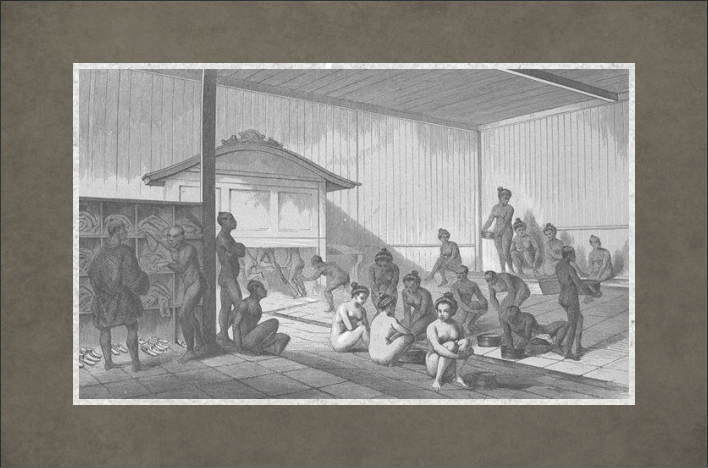
Meanwhile, Harris, with his free time, planted vegetables and raised chickens in Shimoda. Occasionally, captured wild boars and deer were delivered to him. He also enjoyed taking walks and meeting people. He particularly appreciated the diligence and cleanliness (everyone bathed daily) of the residents of Shimoda. However, like Perry and his officers, he seemed to have experienced a great culture shock from the Japanese custom of mixed bathing, and he wrote in his journal about his concern that mixed bathing might endanger women’s chastity.
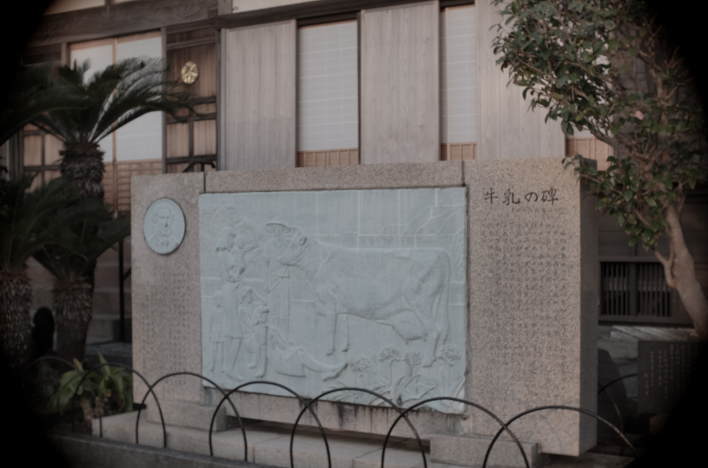
Gyokusenji Temple in Shimoda is known not only as the place where, as mentioned above, the American flag was first raised in Japan, but also as the place where milk was first consumed in Japan. About a month after arriving in Shimoda, Harris asked an official at the magistrate’s office for milk, but was refused, being told that “the Japanese people do not drink milk at all, and cow’s milk is only given to calves.” However, in March 1858, when Harris fell ill and again requested milk, a proclamation was issued to the villages of Shimoda, and a large amount of milk was collected from farm cows and delivered to Harris. In front of the main hall of Gyokusenji stands a modern bronze monument, which commemorates the place where milk was first consumed in Japan.
Eventually, through persistent persuasion and negotiations that sometimes included threats (Harris had repeatedly advised the shogunate that Japan could face military attack from other countries if it remained as it was), Harris’s requests were gradually approved. After lengthy discussions, in June 1857, the Convention of Shimoda, consisting of nine articles, was concluded between Harris and the Shimoda Magistrate. In September of the same year, permission was granted for Harris to travel to Edo and have an audience with the Shogun. Upon arriving in Edo, Harris met with the then roju, Hotta Masayoshi. It is well known that Harris delivered a passionate speech for over two hours during this meeting. In it, Harris explained that America had no intention of invading Japan, that the world was becoming smaller due to inventions such as steamships and telegraphs, and that trade between countries was flourishing as a result, bringing great benefits to Japan.
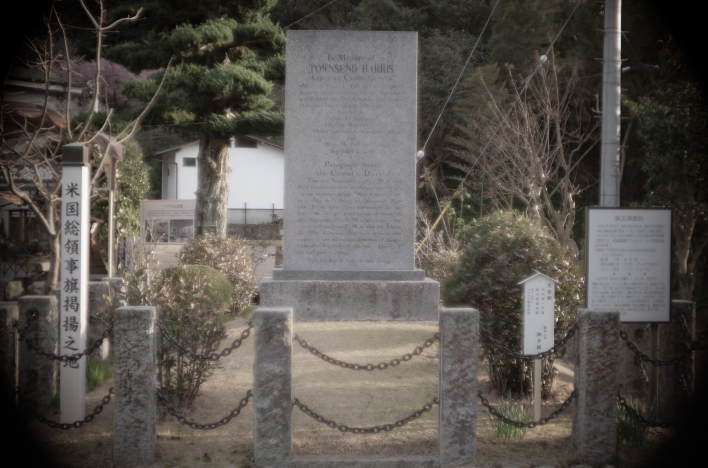
Finally, on July 29, 1858 (June 19 in the lunar calendar), Harris succeeded in signing the “Treaty of Amity and Commerce between Japan and the United States” (also called the “Harris Treaty”) aboard the USS Powhatan off the coast of Kanagawa. This treaty stipulated free trade and the opening of five ports, including Kanagawa, and Japan truly opened itself up to the international community. (However, this treaty was forced through by Ii Naosuke, who had just become Tairo, without the permission of the Emperor in Kyoto, which sparked fierce criticism of the Shogunate, mainly from Son’no Joi advocates.) With the opening of Yokohama port decided by this treaty, the consulate in Gyokusenji was closed in July 1859, and Harris moved to Edo.
Japan subsequently concluded trade treaties with Britain, France, and other countries, largely thanks to Harris’s assistance. The period from the signing of these trade treaties until Harris’s return to the United States in May 1862 was a time of political instability in Japan, with numerous incidents of foreigners being murdered throughout the country. (His interpreter, Heusken, also became a victim in January 1861.) Amidst this social climate, Harris, navigating the swords of Son’no Joi advocates, exerted considerable influence over diplomatic envoys from Western countries and worked to improve relations between them and Japan until his return home. The shogunate also highly valued Harris’s abilities and gentle character, and upon his departure, even sent a letter to the American government requesting an extension of his term.
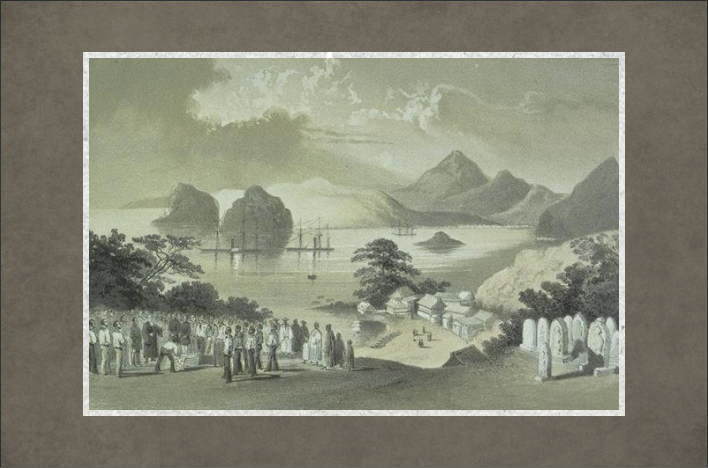
Thus, Harris made significant contributions to Japan during the late Edo period, and the historical site that symbolizes his brilliant achievements is Gyokusenji Temple in Shimoda. The Harris Museum on the temple grounds displays Harris’s belongings and documents related to the opening of Japan to the world. In one corner of the temple grounds are the graves of five American crew members of Perry’s fleet who fell ill, and U.S. President Jimmy Carter paid his respects at these graves when he visited Gyokusenji Temple in June 1979. In addition, the three sailors of the Russian frigate Diana who lost their lives in the “1854 Tokai Earthquake” mentioned above are also buried at this temple.
Tojin Okichi
In Japan, Townsend Harris is perhaps better known for the episode involving Okichi, a woman from Shimoda, than for his achievements as the American Consul General. Although various doubts have been raised in recent years regarding the anecdote about Harris’s relationship with this unfortunate woman, the truth still remains unclear. With regard to this anecdote, it is difficult to draw a line between historical fact and fiction. It is an undeniable fact that a woman named Saito Kichi (commonly known as “Okichi”) existed in Shimoda during the late Edo period, and that she “served” Harris at Gyokusenji Temple, but the question is what the “circumstances behind it” were.
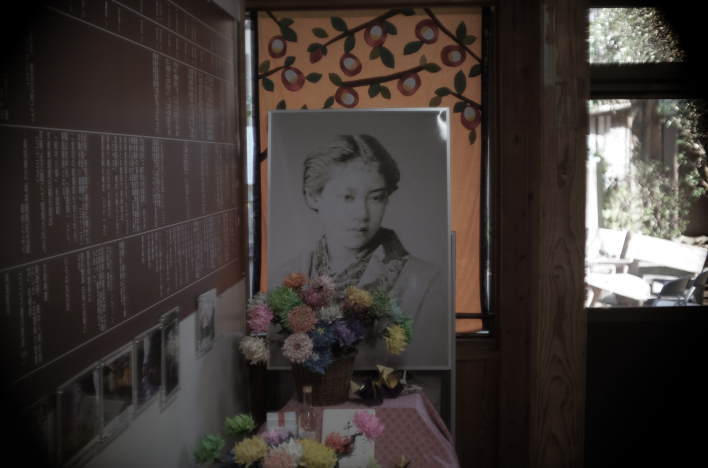
According to the well-known “Tale of Tojin Okichi,” Saito Kichi was beautiful from a young age and became a geisha at the age of 14. In 1856, Townsend Harris arrived in Shimoda as the American Consul General. He was often ill and reportedly requested a nurse (a woman to care for him), but the Tokugawa shogunate misinterpreted this as a request for a concubine, and offered Kichi to Harris and Fuku to the interpreter, Heusken. (In his “Paradoxical Japanese History,” Motohiko Izawa points out that this misunderstanding may have stemmed from the fact that, at the time in Japan, where women’s participation in society was extremely limited, the profession of “nurse” did not exist, and no one understood the concept of a “nurse.”)
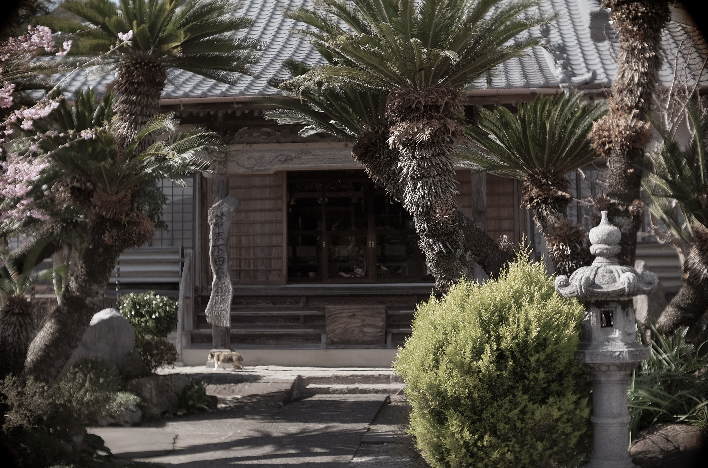
Kichi devoted herself wholeheartedly to Harris, but as she visited Gyokusenji every night, she was persecuted by the residents of Shimoda, who hurled insults such as “Rashamen” (foreign mistress) and “Tojin” (barbarian), and Kichi gradually began to seek refuge in alcohol. After Harris returned to the United States, Kichi drifted from job to job. In 1882, at the age of 42, she became the owner of a small restaurant called Anchoku-ro, but Kichi was a heavy drinker and went bankrupt four years after opening. From then on, Kichi’s life became even more alcoholic, and her health deteriorated, to the point where she had to walk with the help of a cane. Then, at the end of March 1890, Kichi traveled north along the Inouzawa River, rested at a teahouse by the river in Kadokuri, and left the place, but was found drowned a few hours later.
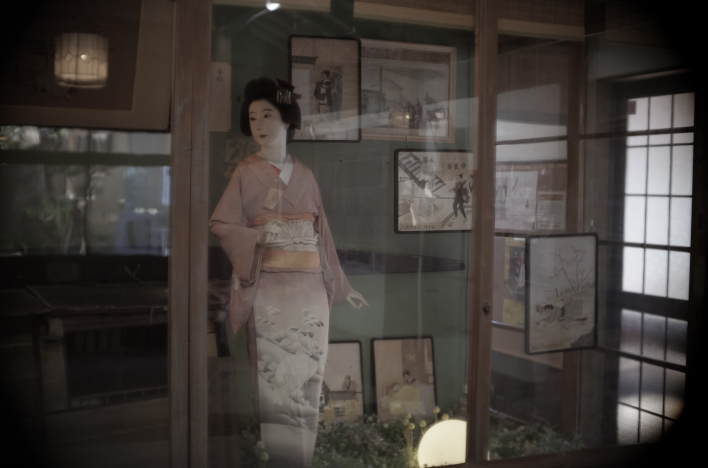
As mentioned above, several points in this story have been questioned. Above all, the crucial question of whether Kichi was truly a nurse or a concubine remains, and naturally, it is extremely difficult to resolve now. Neither Harris’s diary nor Heusken’s diary mentions Kichi or Fuku at all. Gyokusenji strongly denies the concubine theory. Motohiko Izawa also denies it, citing Harris’s “ascetic tendencies” (presumably based on the fact that Harris remained single throughout his life). Those who support the concubine theory cite Kichi’s work arrangements at Gyokusenji (waiting at home during the day and going to the temple only at night) and her “exorbitant salary” as reasons. In any case, the truth remains lost in the darkness of the Bakumatsu period.
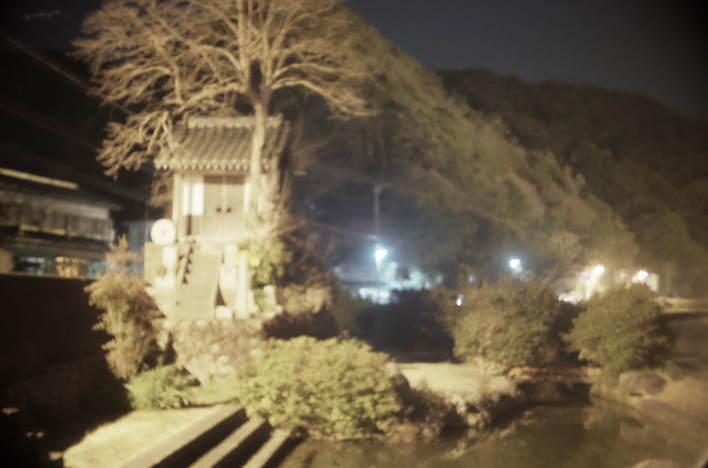
The place where Kichi is believed to have (presumably) thrown herself to her death is now a small park called Okichi-ga-fuchi Abyss (Kadokuri-no-fuchi in Okichi’s time). There is a small shrine there dedicated to Kichi, and flowers are always offered there. Nearby stands the “Okichi Jizo,” which was erected in 1933 at the behest of Nitobe Inazo (author of “Bushido”). Nitobe showed deep sympathy for Okichi’s life during his lifetime and composed a waka poem in her memory. Also, every year on March 27th, the anniversary of Okichi’s death, local geisha hold a memorial service here, offering flowers to the abyss and releasing carp.
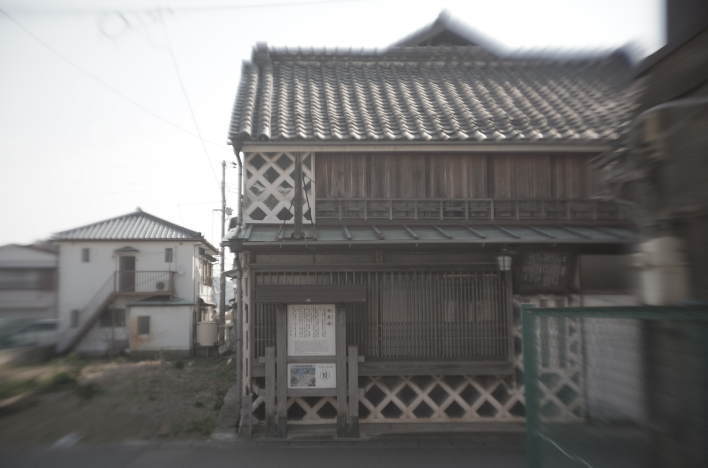
Furthermore, the building of Anchoku-ro, the restaurant where Okichi served as owner in her later years, still stands near Perry Road, largely intact from that time. After Okichi’s death, a sushi restaurant used the building for over 100 years. After the restaurant closed, it was designated a historical building by Shimoda City. The second floor preserves the original guest room and some of Okichi’s personal belongings, but as of 2026, the interior is not usually open to the public except on special occasions. Incidentally, the name Anchoku-ro reflects Okichi’s desire for it to be “a place where anyone can easily enjoy a drink”: in Japanese, anchoku (安直) means “simple and easy.”
Kichi’s body, which had been pulled from the water, was left on the embankment for about three days with no one to claim it. Seeing this, the 15th head priest of Hofukuji Temple performed a memorial service on the spot. Later, a tomb for Kichi was built at Hofukuji Temple, and it remains there to this day. Hofukuji Temple is a Jodo Shinshu Buddhist temple located on Maimai Street in the city of Shimoda, but during the US-Japan negotiations at the end of the Edo period, a temporary office of Shimoda was set up at this temple, and it also served as lodging for the shogunate officials. It is now a prefecturally designated historical site.
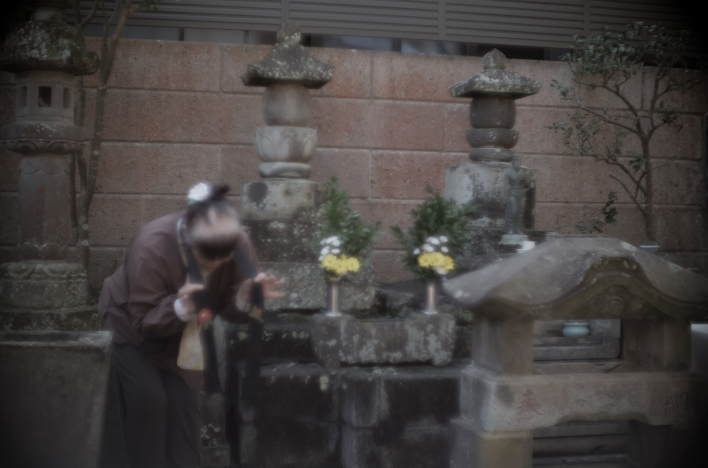
The Okichi Museum, located on the grounds of Hofukuji Temple, displays a life-sized doll of Kichi, as well as items related to Kichi and Townsend Harris. Kichi’s life has been adapted into films and stage plays several times in Japan, with many prominent actresses and Kabuki actors playing the role of Kichi. Incidentally, in the 1994 stage production of “Tojin Okichi,” Yoshiko Sakuma played the lead role of Kichi, and Mitsuko Kusabue played Fuku. Both actresses visited Hofukuji Temple that same year and offered flowers at Kichi’s grave. Furthermore, the relationship between Kichi and Harris was also made into a film overseas in 1958, starring John Wayne and directed by John Huston. (See the YouTube clip below.)
There is sound. Please be sure to wear your headphone.
At the entrance to Hofukuji Temple stands a wooden statue of Sakamoto Ryoma made of cedar. In 1863, Yamauchi Yodo of the Tosa Domain, who was aboard the steamship Taihomaru when it arrived in Shimoda, stayed at this temple. Katsu Kaishu, who arrived on the Jundomaru, visited the temple and had a discussion with Yodo in the ekken-no-ma (“Audience Chamber”) of the main hall. At this time, Katsu asked Yodo to forgive Sakamoto Ryoma for his crime of leaving his domain, and this was granted. It is believed that with this pardon, Ryoma was freed from his constraints and was able to act freely toward the Meiji Restoration.
Getting there
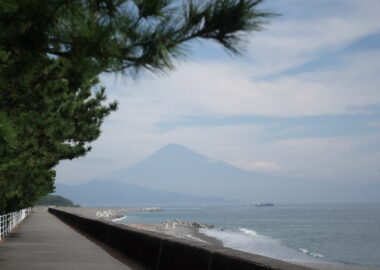
Shimoda City boasts hot spring resorts such as Rendaiji, and is blessed with scenic spots like Mt. Shimodafuji, Shimoda Port, and Bentenjima Island. However, its development was relatively slow due to inconvenient transportation. But since the opening of Izukyu Shimoda Station in 1961 (which was called the “second Black Ship”), the transportation network has gradually developed. Therefore, if you’re going to Shimoda by train, it’s recommended to take the Izu Kyuko Line train that runs along the eastern coast of the Izu Peninsula and get off at the final stop, Izukyu Shimoda Station.
There are mainly three routes to Shimoda when traveling north-south across the Izu Peninsula by car. National Route 135, which runs along the eastern coast of the peninsula, and National Route 136, which runs along the western coast, are both prone to traffic congestion during long weekends and summer holidays. When I go to Shimoda, I often use National Route 414, which runs through the center of the peninsula, but I have also been caught in traffic jams on this route several times. As of June 2026, in order to improve the traffic situation in Izu, the “Izu-Jukan Expressway” has been under construction for many years. It is expected that once this is completed, transportation to Shimoda will improve dramatically.
Other sights
The Izu Peninsula, where Shimoda City is located, is one of Japan’s leading resort areas. From the blue sea to historic hot spring towns, a variety of attractions can be enjoyed depending on the area. It is also relatively close to central Tokyo, so it attracts many tourists throughout the year. There is an abundance of seafood and mountain delicacies unique to Izu, such as Japanese spiny lobster, splendid alfonsino, and wasabi. In particular, the southern part of the peninsula, known as Minami-Izu, offers a tropical atmosphere with its blue sea and white sandy beaches.
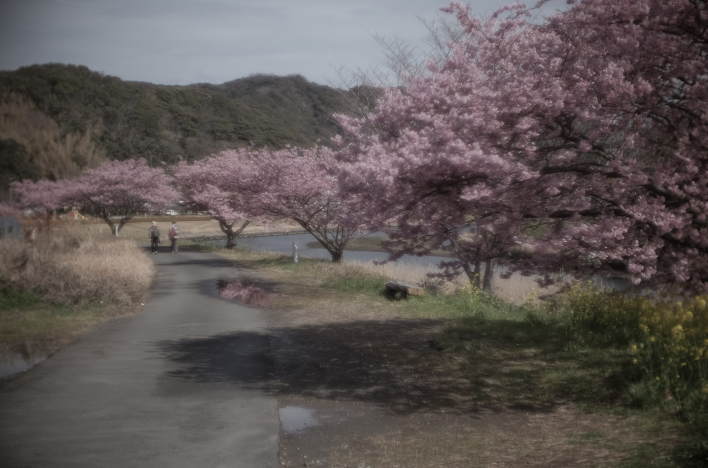
In addition to the historical sites mentioned above, Shimoda City and its surrounding areas have several other interesting places. For example, there is Cape Tsumekizaki, where daffodils bloom in clusters during the winter, and Shimoda Park, where hydrangeas are beautiful in June. Also, Mt. Nesugatayama is a popular viewpoint for Shimoda Port, and you can reach the summit by ropeway. Shirahama Beach, located on the eastern coast of the peninsula, is considered one of the three most beautiful beaches in Izu, along with Imaihama Beach and Yumigahama Beach.
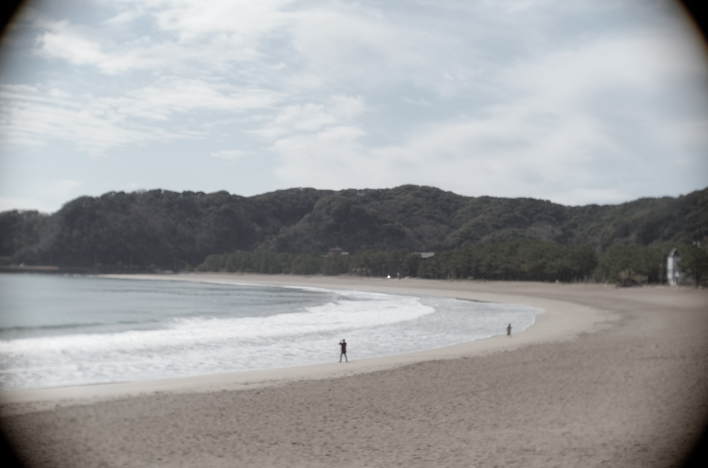
Minamiizu Town, located southwest of Shimoda City, boasts the warmest climate in Shizuoka Prefecture and is home to a couple of research institutions for tropical plants. The town also has farmers cultivating melons and aloe vera. Yumigahama Beach in this town is a gently curving coastline with calm waves. Its beautiful white sandy beach stretches for 1200 meters and was selected as one of “Japan’s 100 Best Beaches” in 1996. Inns and guesthouses are located around the beach.
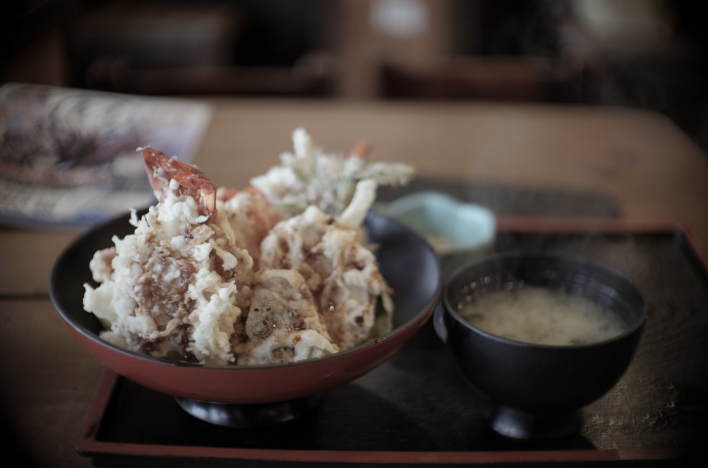
Surrounded by the sea, the Izu Peninsula is a treasure trove of seafood. And the specialty of Southern Izu, including Shimoda, is Japanese spiny lobster. Southern Izu, with its many small ports, is a haven for spiny lobster, boasting one of the highest catches in the country. There are many ways to enjoy it, from sashimi and miso soup to grilled dishes, and some restaurants offer unique spiny lobster dishes. Although spiny lobster is expensive, it is a must-try ingredient when visiting Southern Izu. Spiny lobster fishing in the Southern Izu region opens in mid-September each year and continues until mid-May of the following year. The peak season is November and December, during which time you can enjoy freshly caught spiny lobster at hot spring inns and restaurants throughout the region.
Looking north from Shimoda, the Amagi mountain range rises in the central part of the Izu Peninsula, almost as if dividing the peninsula into north and south. Because of this, although maritime transportation was well-developed in the Izu Peninsula since ancient times, the development of land routes lagged significantly behind. In the late Edo period, Townsend Harris traveled from Shimoda to Edo to have an audience with the Shogun, and the road he used at that time is known as the Old Shimoda Road. This road ran north-south through the center of the peninsula, connecting Shimoda and Mishima (the point where it joined the Tokaido Road) over a distance of about 70 km. Yoshida Shoin and Kaneko Shigenosuke were also sent to Edo via this road in a Tomaru cage after their attempt to travel abroad failed. A Tomaru cage is a round bamboo basket used to transport criminals.
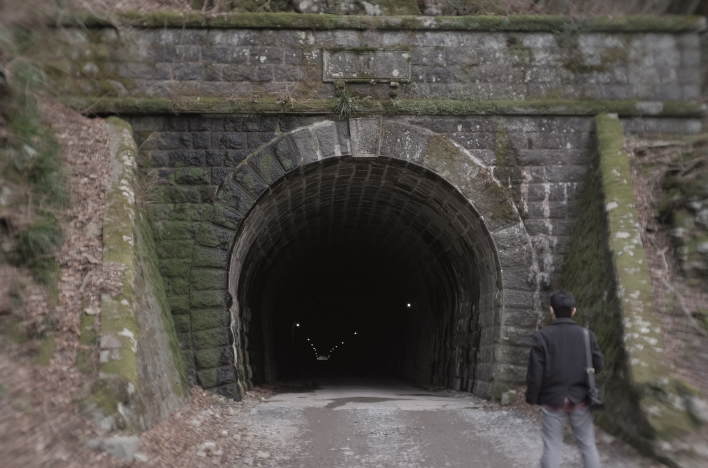
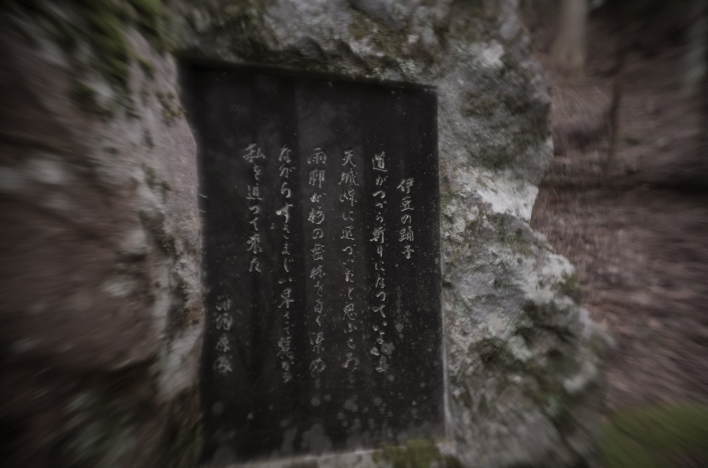
The Old Shimoda Road was known as a difficult pass during the Edo period, but now National Route 414 runs roughly parallel to it, and the Shin-Amagi Tunnel (New Amagi Tunnel) passes through Amagi Pass, making it less difficult to traverse the peninsula by car than before. One of the notable sights near Amagi Pass is the Old Amagi Tunnel (also known as Amagisan Zuidou). This stone tunnel, approximately 450 meters long, was completed in 1905 to overcome the difficulty of the Amagi Pass and is now designated as a National Important Cultural Property. In “The Izu Dancer,” a novel published in 1926 by Nobel Prize-winning author Yasunari Kawabata, there is a scene where the protagonist follows a troupe of traveling performers heading to Shimoda and crosses this tunnel. This novel is based on Kawabata’s real-life experiences traveling alone in Izu when he was 19 years old.
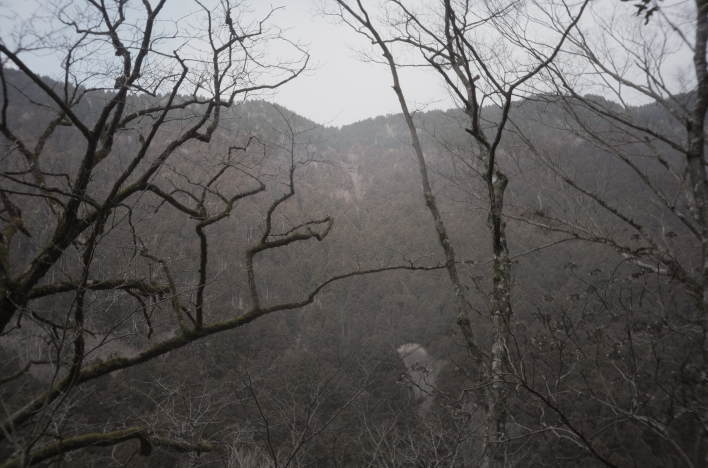
The area around the Old Amagi Tunnel is densely covered with trees such as cedar, cypress, zelkova, camphor, and oak, giving it the atmosphere of a traditional mountain pass. However, it’s important to remember that this area is “the Old Shimoda Road from 1905 onwards,” and the route before that went through Nihonsugi Pass (“the pass with two cedar trees”), about 2km west of the Old Amagi Tunnel, to Yugashima. This route is “the Old Shimoda Road of the late Edo period,” which was traveled by Shoin and Harris. Originally, this route was built in 1819 by Itagaki Senzo of Nashimoto Village at his own expense. (To avoid misunderstanding, these old and new routes differ significantly only around Amagi Pass; other sections largely overlap.)
Incidentally, the central Izu region (Naka Izu), where the Old Amagi Tunnel is located, boasts many scenic spots created by the unique and dynamic topography of the Izu Peninsula, such as Joren Falls and Kawazu Seven Falls. (The Izu Peninsula was designated as Japan’s ninth UNESCO Global Geopark in April 2018.) Joren Falls, said to be one of the largest waterfalls in Izu, was formed when lava flows from an eruption approximately 17,000 years ago filled in the valley. Kawazu Seven Falls offers the chance to enjoy seven waterfalls with distinctive shapes.
Other Photos
Conclusion and contact
Shimoda is a port town with a unique charm. As you walk through the streets of Shimoda, you’ll sometimes find yourself in a maze of streets, and you’ll see traditional houses with namako-kabe walls and kura storehouses here and there. It’s amazing that this small, old-fashioned port town served as a gateway to the outside world in the mid-19th century (even if only for a few years), and that active international exchange took place there. Commodore Perry, Townsend Harris, and Yoshida Shoin all traveled from afar to come here. And there, too, was the figure of OKichi, a flower that bloomed in the shadow of Japan’s opening to the world. Several historical sites associated with these people who left their mark on history are still scattered throughout Shimoda, largely in their original state. If you are interested in a tour of Shimoda and its surrounding tourist spots, please send a message through the Rates/Contact page on this website.
Photo credits and sources
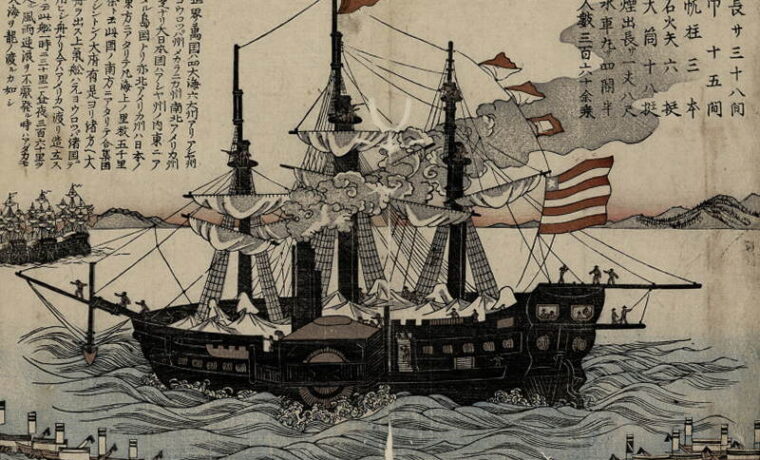
Photographs by Koji Ikuma, unless otherwise noted. (Cover image: Picture of the Black Ship Powhatan 1854, courtesy of the Kyoto Institute, Library and Archives.) Sources for this post include: 松本健一『開国のかたち』岩波書店 (2008); 西川武臣『ペリー来航』中央公論新社 (2016); 『吉田松陰全集 第七巻』岩波書店 (1986); 井沢元彦『逆説の日本史18 黒船来航と開国交渉の謎』小学館 (2012); 奈良本辰也『吉田松陰著作選』講談社 (2013); 田中彰『吉田松陰 変転する人物像』中央公論新社 (2001); よしだみどり『知られざる「吉田松陰伝」』祥伝社 (2009); Francis L. Hawks『Commodore Perry’s Expedition to Japan』Createspace Independent Pub (2013); Mario Emilio Cosenza『The Complete Journal of Townsend Harris』Tradd Street Press (2026).
Outbound links (New window)